Trusted local guidance for beginners, competitors, and everyone in between
Find a Brazilian Jiu-Jitsu Academy Near You
Search verified academy listings by city or state, compare contact details and location pages, and narrow in on a gym that fits your schedule, vibe, and goals.
Verified location detailsDirect website and contact linksFast browse by city and state
Find the perfect BJJ academy in just a few simple steps
1
Search
Enter your location or browse by state to find BJJ academies near you
2
Compare
Read reviews, check ratings, and compare features to find the best match
3
Connect
Contact your chosen BJJ academy and start your journey
FAQ
Frequently Asked Questions About BJJ Academies
Everything you need to know about finding and joining a Brazilian Jiu-Jitsu academy
What should I look for when choosing a BJJ academy?
When choosing a BJJ academy, consider the instructor's credentials and lineage, class schedule flexibility, facility cleanliness, student-to-instructor ratio, and whether they offer programs for your skill level (beginner, intermediate, advanced). Also check if they have both gi and no-gi classes, and whether they offer trial classes.
Do I need to buy a gi (kimono) to start training?
Most academies will provide a loaner gi for your first few classes. Once you decide to continue training, you'll need to purchase your own gi. Many academies sell gis or can recommend where to buy them. For no-gi classes, you'll typically need rash guards and grappling shorts or spats.
How often should I train as a beginner?
As a beginner, aim to train 2-3 times per week to build consistency and allow your body to adapt. Most academies recommend starting with fundamentals classes and gradually increasing frequency as you become more comfortable with the techniques and physical demands.
What's the difference between gi and no-gi BJJ?
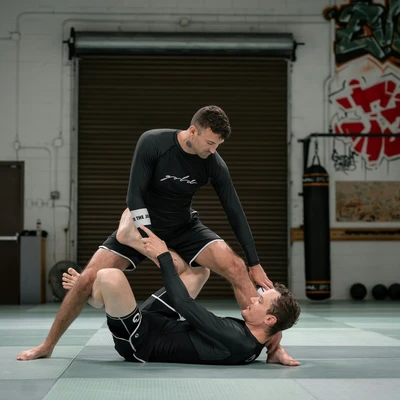
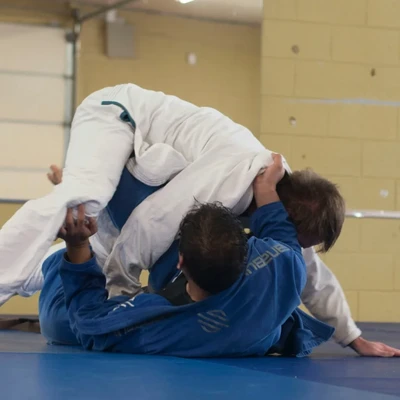
Gi BJJ involves wearing a traditional kimono (gi) and allows you to grab the fabric for techniques. No-gi BJJ is practiced in athletic wear and focuses more on body control and grip fighting. Both are valuable, and many academies offer both styles. No-gi tends to be faster-paced while gi emphasizes technique and leverage.
How long does it take to get a blue belt?
The time to blue belt varies significantly between academies and individuals, typically ranging from 1-3 years of consistent training. Factors include training frequency, natural ability, previous martial arts experience, and the academy's promotion standards. Focus on learning and enjoying the journey rather than belt progression.
Is BJJ safe for beginners?
BJJ is generally very safe when taught properly. Reputable academies emphasize safety, proper technique, and controlled sparring. Beginners typically start with technique-focused classes and gradually progress to live rolling. Always communicate with your training partners about your experience level and any injuries.
What should I expect in my first BJJ class?
Your first class will likely include a warm-up, basic technique instruction, and possibly some light drilling with a partner. You'll learn fundamental movements like shrimping, bridging, and basic positions. Don't worry about knowing everything - everyone was a beginner once. Just focus on learning and having fun.
Do BJJ academies offer kids' programs?
Many BJJ academies offer specialized kids' programs designed for different age groups (typically 4-6, 7-9, and 10-13). These programs focus on discipline, respect, coordination, and age-appropriate techniques. Kids' classes often emphasize fun and character development alongside martial arts skills.
What are the belt ranks in BJJ?
BJJ uses a colored belt system: white (beginner), blue, purple, brown, and black (expert). Each belt represents years of training and skill development. The time between belts varies, but typically takes 2-4 years of consistent training. Some academies also use striped belts to show progress within each rank.
Get Started
Ready to Find Your BJJ academy?
Join thousands of people who have found their ideal BJJ academy through our directory